
The Death of CJI: Why Craig Jones Walked Away and What Happens to BJJ Now
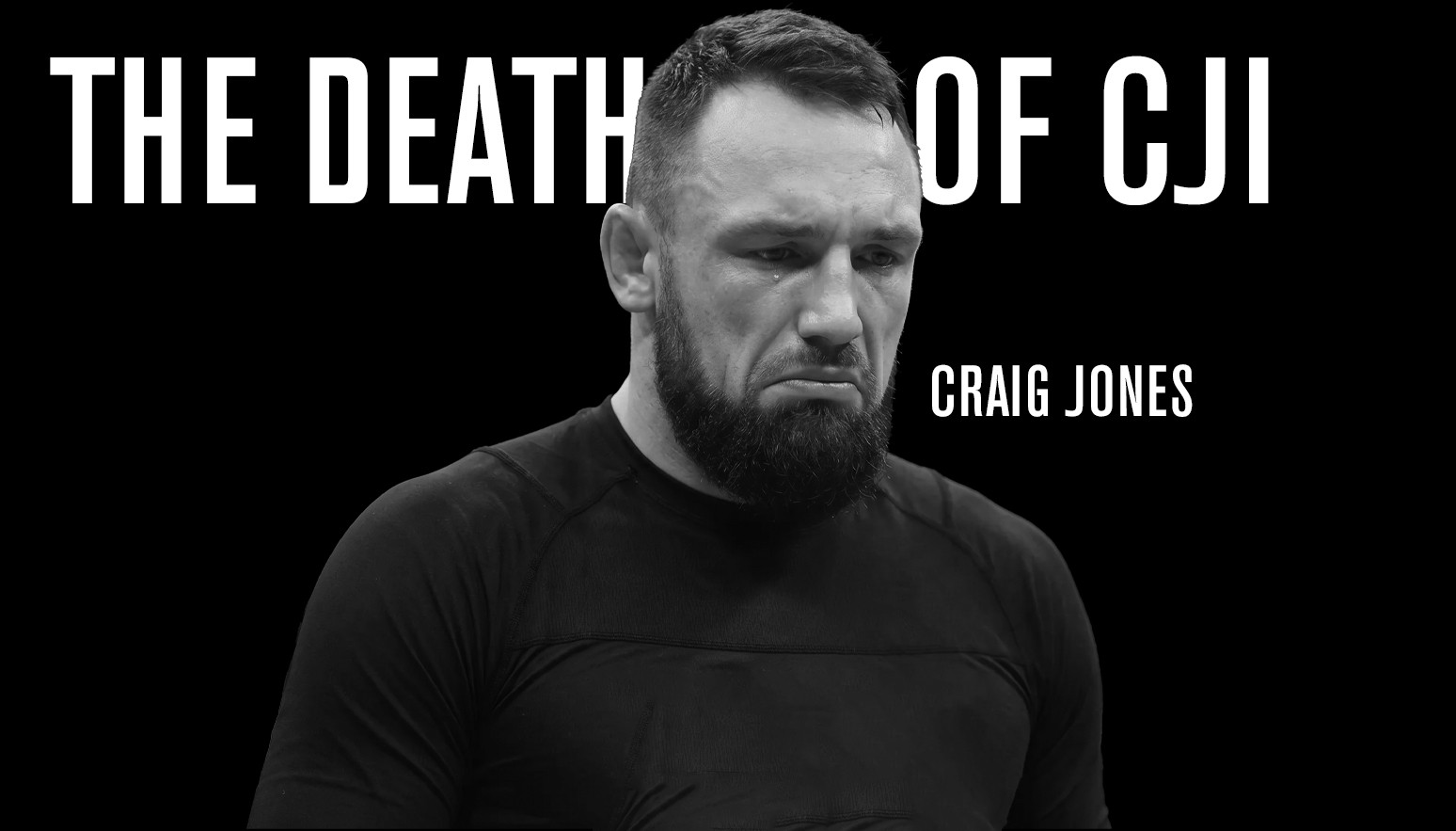
The professional grappling world has just been hit with a massive reality check. After completely disrupting the status quo with his first two events, Craig Jones has officially confirmed that the upcoming Craig Jones Invitational (CJI 3 / CJI 2.5) has been canceled.
While delivered with his trademark dry humor on public forums, the cancellation is a serious turning point. Here are the concrete facts behind the decision and what this shift means for the future of professional Brazilian Jiu-Jitsu (BJJ).
The Facts Behind the Cancellation
The demise of the next CJI project comes down to two major roadblocks: the financial reality of independent promotions and a rapid shift in athlete contract structures.
1. The $10 Million "Winner-Take-All" Vision
Following the success of CJI 1 in 2024 (which paid out $1 million each to two bracket winners) and the team-focused CJI 2 in 2025, Craig Jones aimed to drop a historical financial bomb on the sport.
2. The Financial Reality of CJI 2
Despite massive live viewership, viral internet buzz, and a packed house at the Thomas & Mack Center in Las Vegas, the numbers behind the scenes told a different story. Jones openly confirmed that CJI 2 "broke even," generating no major profit.
3. The Rise of UFC BJJ and Exclusive Contracts
The ultimate death blow to CJI 3/2.5 was the aggressive expansion of UFC BJJ into the professional grappling market.
When fans questioned the cancellation, Jones directly pointed to these new operational hurdles:
"Give me a reason to do it again? Tell me how to do it again, given the contracts? It’s my money to do whatever I want with, I put my life on hold for these events."
Jones also revealed that while a promotional partnership with the UFC was a possibility, it would have required him to compromise his vision and "sell his soul, underpriced," forcing him to walk away from live event promotion entirely to focus on media projects.
What This Means for the Sport
The cancellation of CJI 2.5 marks the end of an anarchic, fighter-first era of independent super-tournaments.
• The Consolidation of Corporate Monopoly
For decades, the grappling ecosystem was decentralized, split between the amateur-funded IBJJF medal pipeline and the prestige of the bi-annual ADCC. CJI successfully disrupted that hierarchy by giving athletes massive financial leverage.
• The Death of the "Free-to-Watch" Mega-Event
CJI proved that millions of fans would tune in globally if premium grappling was broadcasted for free on platforms like YouTube. But breaking even is not a viable long-term business strategy. Moving forward, fans should expect elite-level grappling to live strictly behind corporate paywalls, subscription models, and major streaming platforms.
• An Identity Crisis for Athlete Leverage
Craig Jones fundamentally changed the narrative around fighter pay, forcing other promotions to raise their performance bonuses and show money. With the independent alternative gone, athletes lose a critical piece of negotiating leverage. If the top-tier competitors are locked into exclusive contracts, they can no longer shop their skills to the highest bidder or jump ship for a sudden million-dollar payday.
Ultimately, Craig Jones proved his point: the market value for elite grapplers is there. But as the doors close on CJI, the sport is leaving behind its "wild west" era of open competition and entering a rigid corporate landscape where the battles are won in contract clauses long before anyone ever steps onto the mat.
Explore Popular Articles

Moya's Young Guns Making Noise 2026 ADCC Worlds
Dominance on the World Stage: Moya Young Guns Shine at the ADCC Youth World Championship When the ma...
Moya: The Untold Story. 15 Years in the Making.
The Struggle Was Real, The Legacy Is Permanent: 15 Years of Moya When you see a brand fully woven in...

Heroes get remembered, but legends never die
LEGENDS NEVER DIE: TOM KNOX ON SKATE PIONEERING AND THE ART OF THE GRIND At Moya Brand, we’ve always...

Max Holloway Leaves Las Vegas Victorious (But Leaving Us Wanting More) UFC 329
The Cursed Comeback: McGregor's Heartbreak and Pimblett's Lightning Strike at UFC 329 If you blinked...